

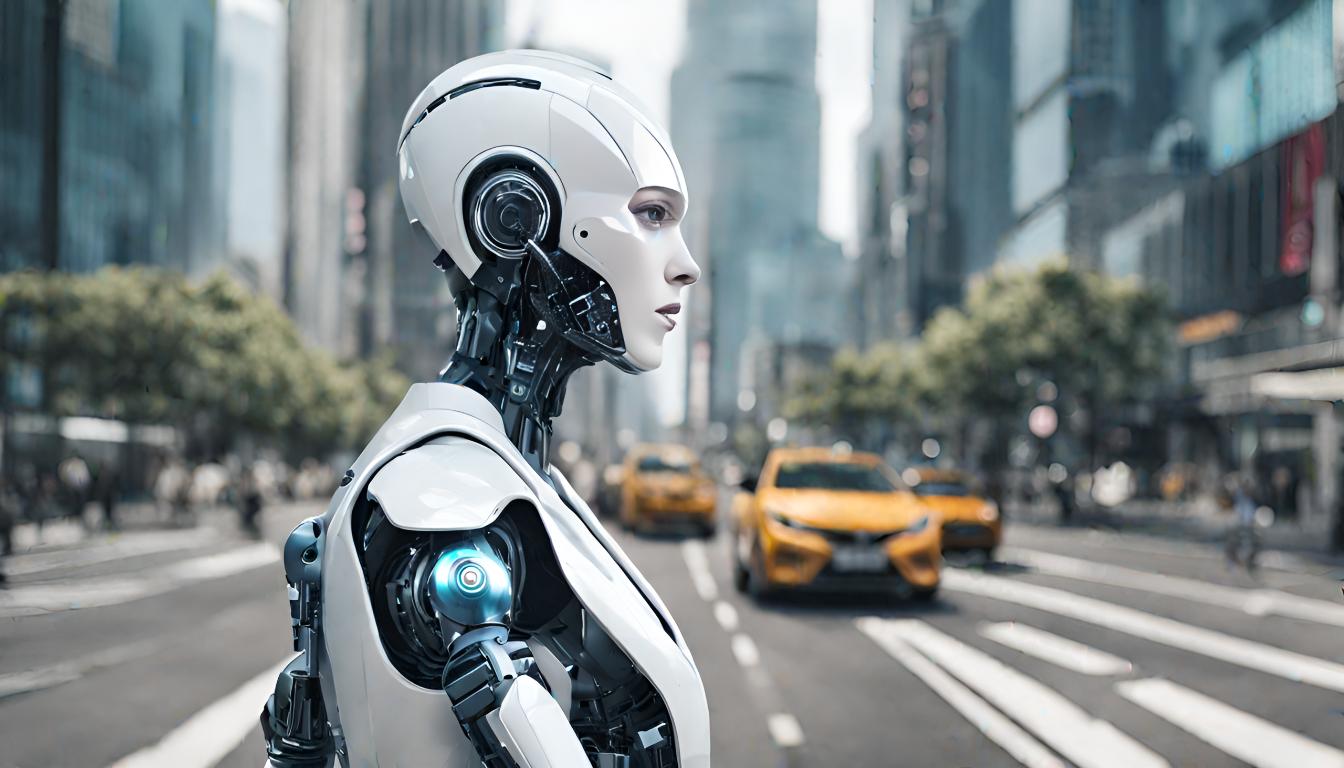

In recent years, the intersection of art and artificial intelligence has emerged as an exciting and innovative space for creative expression. Generative AI, a branch of artificial intelligence that involves using algorithms to generate art, music, and other creative works, has opened up new possibilities for artists and creators. In this article, we will explore the fascinating world of generative AI and delve into the techniques and tools that can be used to create captivating works of art.
Key Takeaways
- Generative AI opens up new possibilities for artists and creators. It blends human creativity with machine learning algorithms to push the boundaries of artistic expression.
- Neural Style Transfer and GANs are powerful tools. They enable artists to produce captivating and surreal images. They challenge conventional artistic styles and create innovative and thought-provoking works.
- Music Generation Models allow musicians and composers to explore novel sonic landscapes. They can experiment with unconventional musical structures.
- Ethical considerations surrounding generative AI in art are crucial. These include issues of authorship, ownership, and potential misuse of AI-generated content.
- The future of generative AI in art promises to reshape the creative landscape. It offers limitless opportunities for collaborative endeavors with AI systems. Moreover, it redefines the creative process and challenges preconceived notions of authorship and art itself.
Table of contents
Understanding Generative AI

Generative AI refers to the use of algorithms and models to generate artistic content such as visual art, music, and literature.
Unlike traditional art forms, which are created entirely by human hands and minds, generative AI involves a collaboration between human creativity and machine learning algorithms.
This synergy has resulted in the emergence of new, unique artistic styles and forms that push the boundaries of what is possible in the realm of creativity.
Artists and technologists have been exploring the potential of generative AI to create novel and innovative works of art.
Whether it’s using neural networks to compose music that elicits emotional responses or generating visual art that challenges our perception of reality, generative AI has opened up exciting possibilities in the art world.
Furthermore, generative AI has the capacity to inspire and empower individuals to explore their own creativity.
By leveraging the capabilities of machine learning algorithms, artists and creators can collaborate with AI systems to expand their creative horizons and break free from conventional artistic limitations.
This fusion of human expression and artificial intelligence has the potential to redefine the art-making process and foster a new era of interdisciplinary collaboration.
As generative AI continues to advance, it poses thought-provoking questions about the nature of creativity and the role of technology in shaping artistic expression.
This intersection of art and AI invites us to reconsider traditional notions of authorship and originality, inviting a deeper exploration of the evolving relationship between humans and machines in the creative process.
You may like:- Top 5 AI Image Generation Tools You Should Use
Tools for Creating Art with Generative AI

1. Neural Style Transfer
Neural style transfer is a fascinating concept that has gained significant attention in the world of art and technology. This innovative technique harnesses the power of deep learning algorithms to seamlessly apply the visual style of one image to another, resulting in a mesmerizing blend of artistic expression.
By utilizing generative AI, artists can embark on a creative journey to explore uncharted visual territories and challenge the conventional norms of artistic styles.
The process of neural style transfer opens up a realm of possibilities for artists, enabling them to produce captivating and surreal images that intertwine the essence of different artworks.
Through this method, the boundaries of traditional artistic styles are not just pushed, but reimagined, as the fusion of diverse visual elements gives rise to unique and thought-provoking creations. This intersection of art and technology empowers creators to delve into new dimensions of creativity, offering a platform for boundless experimentation and innovation.
With neural style transfer, the imaginative potential of artists is amplified, fostering the emergence of groundbreaking visual masterpieces that captivate and inspire audiences worldwide.
2. GANs (Generative Adversarial Networks)
Generative Adversarial Networks (GANs) have gained significant attention in the art world. They are known for their ability to generate realistic images, videos, and even music. GANs consist of two neural networks. These are a generator and a discriminator. They work in tandem to produce new and compelling artistic content. Artists can harness the power of GANs. They can create innovative and thought-provoking works. These works challenge conventional artistic norms.
3. Music Generation Models
Generative AI extends beyond visual art and into the realm of music composition. Music generation models, powered by sophisticated algorithms, are capable of composing original pieces of music across various genres and styles.
These models enable musicians and composers to explore novel sonic landscapes. They can also experiment with unconventional musical structures.
Exploring Ethical Considerations
As with any emerging technology, the use of generative AI in art raises important ethical considerations. Moreover, questions surrounding authorship, ownership, and the potential misuse of AI-generated content are at the forefront of discussions within the artistic community. Consequently, it is crucial for artists and creators to approach the use of generative AI with a thoughtful and ethical mindset. They should respect the boundaries of intellectual property and acknowledge the implications of AI-generated works on the art ecosystem.
The Future of Generative AI in Art

In the realm of art, the intersection with generative AI opens up a myriad of possibilities. It promises to reshape the creative landscape in profound ways. As we gaze into the future, it becomes increasingly evident that the potential for generative AI in art knows no bounds.
From reimagining traditional art forms to forging entirely new mediums of expression, the transformative power of AI in the artistic domain is nothing short of revolutionary.
The evolution of generative AI technology paves the way for a dynamic interconnectedness between human creativity and machine intelligence.
This synergy gives rise to unprecedented opportunities for artists and creators. It allows them to embark on collaborative endeavors with AI systems. This, in turn, pushes the boundaries of what is conceivable in artistry. The marriage of generative AI with conventional artistic methods redefines the creative process. It also challenges preconceived notions of authorship. Furthermore, it questions the nature of art itself.
As generative AI continues to advance, the concept of creativity expands into uncharted territories. It enables artists to push the envelope and delve into unexplored realms of imagination. This harmonious blend of human ingenuity and computational prowess propels the artistic community into an era characterized by limitless innovation and unbound exploration.
In the grand tapestry of artistic expression, the fusion of generative AI and traditional practices beckons a future brimming with infinite prospects for groundbreaking artistic experiences.
Embracing this convergence promises to unravel new dimensions of creativity. It will usher in an era where the distinction between human and machine creativity dissipates into a continuum of limitless artistic potential.
The horizon of art appears boundless, illuminated by the transformative influence of generative AI, heralding an epoch of unprecedented artistic exploration and innovation.
Conclusion
In conclusion, the integration of generative AI into the realm of creative arts represents a paradigm shift in how we conceptualize and engage with artistic expression. Not only does this innovation open new doors for artists, but it also empowers them to transcend traditional creative boundaries and embark on a journey of limitless imagination and innovation.
As we navigate this transformative landscape, it is essential to approach the use of generative AI in art with a deep appreciation for its potential impact. Furthermore, an unwavering commitment to ethical and responsible creativity is crucial. With the right balance of human ingenuity and technological prowess, generative AI stands to revolutionize the art world. Moreover, it offers a gateway to uncharted artistic territories and has the potential to redefine the very essence of creativity itself.