

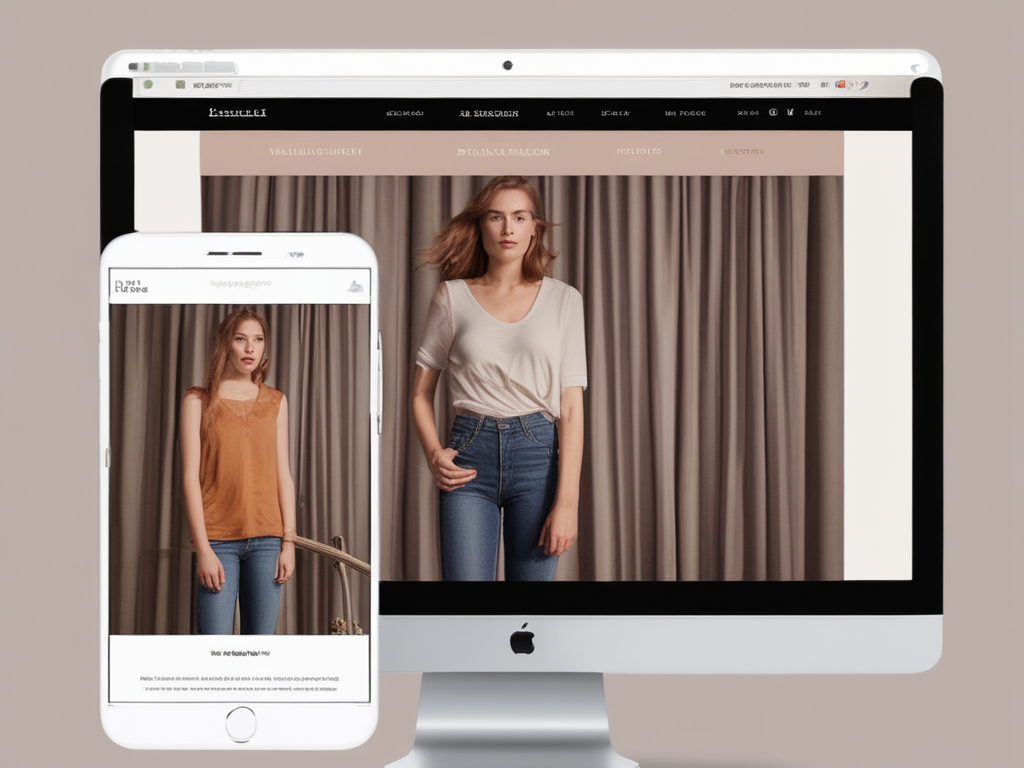

In today’s digital age, boosting your clothing business online is not just an option—it’s a necessity. With the fashion industry being incredibly competitive, leveraging online tools and strategies can set you apart from the rest. In this comprehensive guide, we’ll walk you through the steps to effectively elevate your clothing business in the digital landscape. From setting up your online store to mastering SEO, social media marketing, and beyond, we’ve got you covered.
The fashion industry has witnessed a significant shift towards online platforms. More consumers are shopping for clothes online than ever before. This trend offers an incredible opportunity for clothing businesses to expand their reach and increase sales. However, simply having an online presence is not enough. To truly succeed, you need to strategically build and market your online clothing business.
Table of contents
- Boosts Your Clothing Business Online: Step-by-Step Guide
- Bonus Tips for Staying Ahead
Boosts Your Clothing Business Online: Step-by-Step Guide
Step 1. Setting Up Your Online Store

Choosing the Right Platform
Your journey starts with selecting the right e-commerce platform. Options like Shopify, WooCommerce, and BigCommerce offer robust features tailored for online retail. Shopify is popular for its ease of use, while WooCommerce provides flexibility with WordPress integration. BigCommerce is known for scalability, making it a great choice for growing businesses.
Designing Your Website
A visually appealing and user-friendly website can significantly impact your sales. Invest in a clean, modern design that reflects your brand’s identity. Ensure your website is mobile-responsive, as a large portion of consumers shop via their smartphones. Incorporate intuitive navigation, fast loading times, and secure payment gateways.
Product Photography and Descriptions
High-quality product photos and engaging descriptions are crucial. Showcase your clothing from multiple angles and include close-ups of details like fabric texture and stitching. Write compelling product descriptions that highlight the features and benefits. Incorporate relevant keywords to improve search engine visibility.
Step 2. Mastering SEO for Your Clothing Store

Keyword Research
SEO (Search Engine Optimization) is vital for driving organic traffic to your website. Start with thorough keyword research to identify the terms potential customers are searching for. Use tools like Google Keyword Planner, Ahrefs, or SEMrush to find relevant keywords with high search volume and low competition.
On-Page SEO
Optimize your website’s content with the identified keywords. This includes your product titles, descriptions, meta tags, headers, and URLs. Ensure your content is valuable and relevant to your audience. Additionally, improve your site’s loading speed, create a mobile-friendly design, and enhance user experience to rank higher on search engines.
Off-Page SEO
Building high-quality backlinks from reputable websites can boost your search engine rankings. Reach out to fashion bloggers and influencers for guest posting opportunities or product reviews. Engage with fashion communities and forums to build relationships and drive traffic to your site.
Step 3. Social Media Marketing

Choosing the Right Platforms
Not all social media platforms are created equal. Identify where your target audience spends their time and focus your efforts there. Instagram and Pinterest are ideal for visually-driven fashion content, while Facebook and Twitter offer broader reach and engagement.
Content Strategy
Consistency is key. Develop a content calendar that outlines your posting schedule and content themes. Mix up your content with product showcases, behind-the-scenes looks, customer testimonials, and fashion tips. Use high-quality images and videos to capture attention and engage your audience.
Influencer Marketing
Collaborating with influencers can amplify your brand’s reach. Identify influencers whose style aligns with your brand and whose followers match your target audience. Partner with them for product promotions, giveaways, and sponsored posts. Authentic endorsements from trusted influencers can drive significant traffic and sales.
Step 4. Email Marketing

Building an Email List
An email list is a valuable asset for any online business. Offer incentives like discounts or free shipping to encourage visitors to subscribe. Use sign-up forms on your website, social media pages, and during checkout to capture email addresses.
Crafting Effective Newsletters
Your newsletters should provide value to your subscribers. Share exclusive offers, new product launches, styling tips, and behind-the-scenes content. Use personalized subject lines and segment your list to send targeted messages. Keep your emails visually appealing and mobile-friendly.
Automated Email Campaigns
Automated email campaigns can nurture leads and boost sales. Set up welcome emails for new subscribers, abandoned cart reminders, and follow-up emails post-purchase. Use email automation tools like Mailchimp or Klaviyo to streamline this process.
Step 5. Content Marketing

Blogging
A blog can drive organic traffic to your site and establish your brand as an authority in the fashion industry. Write about fashion trends, styling tips, and industry news. Use SEO best practices to optimize your blog posts and include internal links to your products.
Video Content
Videos are highly engaging and can showcase your products in action. Create styling tutorials, fashion lookbooks, and behind-the-scenes videos. Share your videos on YouTube, Instagram, and your website to reach a wider audience.
User-Generated Content
Encourage your customers to share photos and reviews of your products. Feature their content on your website and social media pages. User-generated content adds authenticity and social proof, influencing potential customers to make a purchase.
Step 6. Paid Advertising

Google Ads
Google Ads can drive targeted traffic to your website. Use Google Shopping Ads to showcase your products directly in search results. Set up search ads for relevant keywords and display ads to reach a broader audience. Monitor your campaigns closely to optimize for better performance.
Social Media Ads
Social media platforms offer powerful advertising options. Use Facebook and Instagram ads to target specific demographics, interests, and behaviors. Experiment with different ad formats, such as carousel ads, video ads, and story ads. Track your ad performance and adjust your strategy accordingly.
Retargeting
Retargeting ads can re-engage visitors who have previously visited your site but didn’t make a purchase. Use retargeting campaigns on Google and social media platforms to remind potential customers of your products and offer incentives to complete their purchase.
Step 7. Analyzing and Optimizing
Using Analytics Tools
Analytics tools like Google Analytics and Shopify Analytics provide valuable insights into your website’s performance. Monitor key metrics such as traffic sources, conversion rates, and customer behavior. Use this data to identify areas for improvement and make data-driven decisions.
A/B Testing
A/B testing involves comparing two versions of a webpage or ad to determine which performs better. Test different elements such as headlines, images, and call-to-action buttons. Continuously optimize your website and marketing campaigns based on the results.
Customer Feedback
Customer feedback is crucial for improving your products and services. Encourage customers to leave reviews and provide feedback through surveys. Use this information to make necessary adjustments and enhance the customer experience.
Step 8. Customer Engagement and Retention
Excellent Customer Service
Providing excellent customer service can set your brand apart from competitors. Respond promptly to customer inquiries and resolve issues effectively. Personalize your interactions and go the extra mile to exceed customer expectations.
Loyalty Programs
Implement a loyalty program to reward repeat customers. Offer points for purchases, referrals, and social media shares. Allow customers to redeem points for discounts or exclusive products. A well-designed loyalty program can increase customer retention and lifetime value.
Community Building
Building a community around your brand can foster loyalty and engagement. Create a Facebook group or a forum where customers can share their experiences and connect with each other. Host events, both online and offline, to bring your community together.
Conclusion
Boosting your clothing business online requires a multifaceted approach. By setting up a professional online store, mastering SEO, leveraging social media, utilizing email marketing, creating engaging content, and using paid advertising, you can significantly enhance your online presence and drive sales. Continuously analyze and optimize your strategies, engage with your customers, and build a loyal community to ensure long-term success.
Remember, the fashion industry is ever-evolving, and staying updated with the latest trends and technologies is crucial. With dedication and the right strategies, your clothing business can thrive in the digital world.
Bonus Tips for Staying Ahead
Embrace Sustainability
As consumers become more conscious of their environmental impact, sustainable fashion is gaining popularity. Incorporate eco-friendly practices into your business, such as using sustainable materials, reducing waste, and promoting ethical production processes. Highlight your commitment to sustainability in your marketing efforts to attract eco-conscious customers.
Collaborate with Other Brands
Collaborations can expand your reach and introduce your brand to new audiences. Partner with complementary brands for joint marketing campaigns, co-branded products, or exclusive collections. These collaborations can generate buzz and drive traffic to your website.
Stay Innovative
Innovation is key to standing out in the competitive fashion industry. Stay updated with the latest fashion trends and technological advancements. Experiment with new marketing strategies, such as virtual try-ons, augmented reality, or AI-powered personalization. Embrace change and continuously seek ways to improve your business.
By implementing these strategies and staying adaptable, your clothing business can achieve remarkable success in the online marketplace. Happy selling!